
Physical Consequences and Needs
CRSV is characterized by a high level of brutality that causes damage to body tissues that can be life-threatening. CRSV constitutes sexual violence, and so harm inflicted on survivors often concerns violence to sexual organs. Many victims require emergency attention and continuing treatment.
The following is a non-exhaustive list of physical consequences as a result of CRSV:
- Immediate physical consequences include genital, rectal, breast, or abdominal injuries; bleeding, bruising, lesions, and abrasions; loss of unborn children; and loss of ability to procreate.
- Resulting complications from immediate physical consequences include genital fistulas or prolapse; unexpected/forced pregnancy; pregnancy-related difficulties (such as infertility and chronic pelvic pain); and cardiovascular abnormalities.
- Secondary illnesses (illnesses that result from earlier ailments, injury, or event – i.e. CRSV), which include sexually transmitted infections (HIV/AIDS, Syphilis, Hepatitis B), Tuberculosis (TB); chronic Pelvic Inflammatory Disease (PID); cancer; and somatic complaints (exacerbated autoimmune issues, gastrointestinal issues, chronic pain such as headaches, neurological symptoms, sleep disturbances).
This section will expand on the following physical consequences due to CRSV (and end with a best practice example of how to respond to the physical needs):
- Traumatic genital injury and physical trauma to reproductive organs: Fistula.
- Secondary illnesses: HIV/AIDS, TB, PID, and cancer.
Traumatic Genital Injury and Physical Trauma to Reproductive Organs
Genital injuries are common to CRSV. These injuries can lead to long-term physical challenges, such as painful and chronic lesions, ruptures, and abrasions. Injuries are, at times, inflicted to attack the population, due to which often injuries compromise an individual’s reproductive ability. Direct genital trauma is also commonly inflicted upon men in conflict, potentially as a form of emasculation and again to make reproduction difficult. Survivors are often left to manage their injuries with impromptu remedies, as treatment facilities are often too far for travel. While some centers may exist nearby, specialized centers offering surgeries for various chronic ailments resulting from this trauma may be too far to ever travel.
Example: Fistula
A fistula is an opening between the vagina and bladder and/or rectum resulting from physical trauma, such as obstructed childbirth or forceful rape. Since treatment centers are often difficult to reach, delays in treatment can further complicate the repair of a fistula. And while not all injuries result in a diagnosable fistula, these complications can develop later on, and injuries have similar consequences. In 4% of cases, fistulas develop post-rape, and 0.8% of fistula cases are cited as a direct consequence of rape.
In the case of a fistula, further issues can develop, including a chronic unwanted spilling of urine or stool. Beyond these physical difficulties, survivors may experience stigma which leads to isolation and loss of support, even from immediate family. Other complications may include infection, infertility, painful or impossible sexual contact, and lower-body muscle paralysis. It is imperative for injuries to be identified and treated early, as they may require more complicated surgical intervention over time.
Secondary Illnesses
Secondary illnesses refer to ailments that can result long after the immediate consequences of CRSV. They can be physical or psychological and often manifest as both. These illnesses commonly, though not exclusively, include sexually transmitted infections (STIs). Conflict leads to a heightened risk of STI transmission. STIs, which may include syphilis, hepatitis B, and HIV/AIDS, add a layer to the suffering of victims/survivors by imposing further physical and psychological discomfort and pain. Awut, from South Sudan (30 years old), shared the following after developing “flu-like” symptoms after experiencing a conflict-related gang rape:
“Because I was ashamed, I did not tell anything to anyone until I started to have sickness. I went to the hospital and had myself examined for flu and not for rape. But after several tests, I was told that I was not pregnant but was positive for syphilis. I burst into tears and forced myself to tell them that I was raped. It was so intimidating and embarrassing for me to share it. The most difficult thing was to tell my husband, because I had sex with him after I was raped.” (UNMISS/UNHR 2020, 19)
Secondary illnesses develop for several reasons and are the result of complex circumstances. Contributing factors include, for example, lack of access to care, which can allow for infections to develop. Other factors contributing to secondary illnesses include lingering conflict, displacement, poverty, or lack of access to socio-economic resources. These circumstances may, for example, prevent access to clean water, food, or sanitary conditions for living, heightening the risk of further illness.
Example: HIV/AIDS
HIV infections are prevalent in conflict and can be transmitted through contact with the bodily fluids of an infected individual, for example through blood, semen, vaginal fluids, or breast milk. As such, it can also be passed between mother and baby. In some conflicts, HIV infection is used as a deliberate tool to attack the population, and the more perpetrators commit CRSV, the higher the risk of transmission among the population. When a person is gang raped by multiple perpetrators on one or more occasions, the chances to become infected are high, especially because of vaginal tearing and blooding; and even more so when perpetrators are HIV infected already. In Rwanda, for example, 70% of the women who survived genocidal sexual violence in 1994 were HIV infected.
Although today medical treatment options and outcomes for HIV have improved, there is no cure. Some victims/survivors can receive antiretrovirals (ARV) and manage symptoms, and others may not have such access and may develop weakened immune systems and experience a decreased lifespan as a consequence. Where ARV treatment is available, the products available may still not be of the best quality. In terms of prevention, medication exists and can be administered within a 72-hour timeframe. However, this timeframe is rarely, if ever, possible to follow in conflict situations.
Survivors suffering from these illnesses are also commonly treated with stigma from their families and communities, and blame is placed on these individuals for the events they have experienced as if they had a choice in the matter. It is possible that husbands, for example, blame wives for their experience, despite rape resulting from a lack of consent and disregard of autonomy on the part of the victim/survivor.
Husbands may, for example, leave their wives with the impression that the wife has been unfaithful. ARV treatment, often to be taken three times a day, is furthermore a constant reminder for the victims of what happened to them.
(source: YouTube, Radio Free Europe/Radio Liberty)
Example: Tuberculosis (TB)
Tuberculosis is an infectious bacterial illness that is transmitted into the genital or urinary tract. It may follow as a complication of certain sexually transmitted infections. TB shares similar risk factors with other secondary illnesses associated with the physical impacts of CRSV. These risk factors include close contact with others infected and living or traveling to high-TB burden areas, for example. Furthermore, TB can lead to larger consequences if left untreated, including pain, swelling, and infertility in both males and females.
Example: Pelvic Inflammatory Disease (PID)
PID for survivors of CRSV can begin with other untreated sexually transmitted infections, such as gonorrhea or chlamydia. As with other STIs, conflict exacerbates the risks, and lack of access to immediate healthcare heightens the risk of complications resulting from STIs. PID can include various symptoms, which are difficult to cope with. These may include fever, pain, nausea, bleeding, and irregular discharge. PID is most commonly associated with pelvic pain that is chronic, and often experienced in the lower abdominal and pelvic regions. Since PID is different in each case, discomfort can be described as sharp, stinging, throbbing, or a dull ache. It can also be described as localized or widespread. Indeed, further complications can even result from PID, including abscesses in the reproductive organs requiring surgical treatment.
Example: Cancer
CRSV can even increase the risk of cancer. This can be a further complication of untreated or chronic infections and illnesses, or relate to coping mechanisms or environmental conditions that exacerbate risk (such as consumption of substances that do not promote health or unsanitary living conditions in war-torn societies). In the case of HIV/AIDS, for example, a compromised immune system coupled with exposure to viral forms of cancer can lead to inflammation and the eventual presence of changes to the DNA of an individual, leading to the need for cancer treatment.
Integrated Recovery and Panzi Hospital Case Study: A Best Practice Example
Responding to the needs of victims of CRSV requires a comprehensive holistic approach that recognizes the interconnected nature of recovery – one that acknowledges physical, psychological, and other ramifications of endured violence. The Panzi Hospital in the Democratic Republic of Congo (DRC), focuses on this form of care.
Example: The ‘One-Stop’ Center for CRSV Treatment
The Panzi Hospital, as it is known today, was established in 1999 by world-renowned gynecologist Dr. Denis Mukwege. The Congo Wars of the time brought many individuals, mostly women, young girls, and even babies, to Mukwege’s care for physical problems related to CRSV. Due to the complex socio-political circumstances of the region (Kivu, eastern DRC), it was observed that specialized physical care for victims of CRSV was needed, including the treatment of different CRSV-related infections and gynecological injuries, including (perineal) surgeries; reproductive health interventions including family planning and continued STI monitoring; rehabilitation regarding physical mobility and recording forensic evidence.
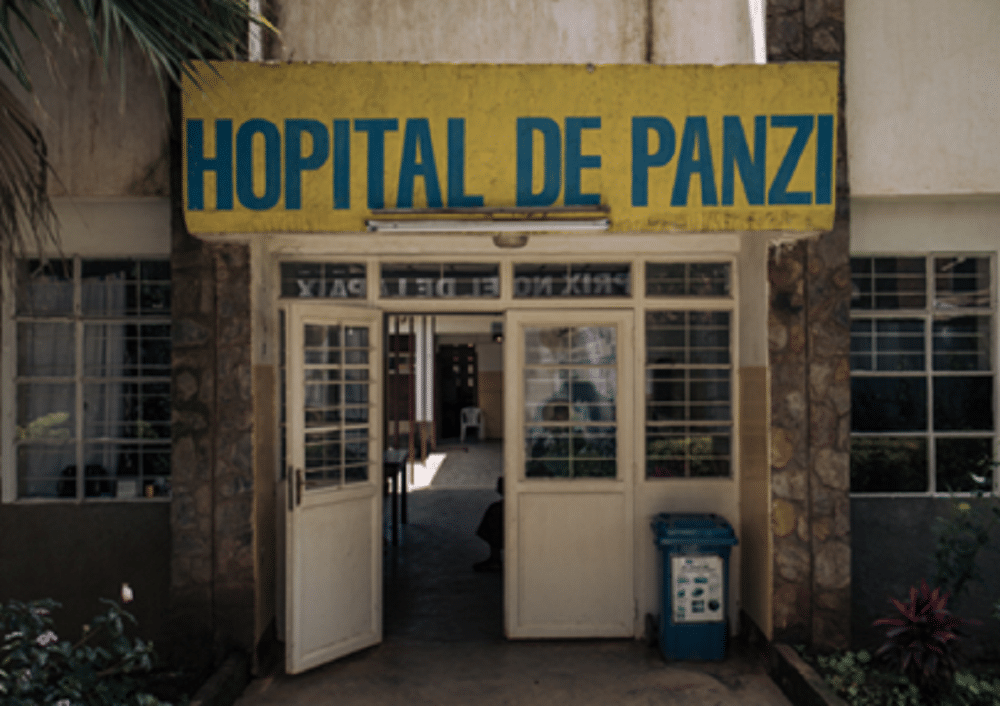
(source: Panzi Foundation, the Hospital)
This expertise in the treatment of the immediate physical ramifications of CRSV was eventually developed into a highly coordinated system of referrals, which now aims to offer victims continuing treatment in other domains. The needs of victims are distinguished into four pillars: 1) medical (physical) care; 2) psychological care; 3) social and economic rehabilitation; and 4) legal care.
(source: YouTube, The Obama White House)
Panzi Hospital is a best-practice example of a facility working to meet each of these pillars. Many centers offering holistic support, for instance, that psychological trauma can weaken the immune system and exacerbate the kinds of physical consequences previously described. It is uncommon and challenging for organizations (hospitals, healthcare centers, NGOs, etc.) to have obtained the expertise and resources required for providing such care, and more often than not, many needs are not readily fulfilled for a majority of survivors.

Sources
- Denis Mukwege et al., “Treatment of Rape-induced Urogenital and Lower Gastrointestinal Lesions among Girls Aged 5 Years or Younger”, International Journal of Gynecology & Obstetrics, Vol. 132, issue 3 (2016), 292-296.
- Ahuka Ona Longombe et al., “Fistula and Traumatic Genital Injury from Sexual Violence in a Conflict Setting in Eastern Congo: Case Studies”, International Journal on Sexual and Reproductive Health and Rights, Vol. 16, issue 31 (2008), 132-141.
- Mrittika Barua et al., “Tuberculosis and the Sexual and Reproductive Lives of Women in Bangladesh”, PLoS One, Vol. 19 (2018), 1-20.
- Gilbert Mugisho et al., “Sexual and Gender‑Based Violence Victims’ Satisfaction of the Support Services through the Holistic Model of Care in the Democratic Republic of Congo”, Social Science and Health, Vol. 2, Issue 22 (2022), 1-14.
- Mahlet Woldetsadik et al., “The Enduring Consequences of Conflict-Related Sexual Violence: a Qualitative Study of Women Survivors in Northern Uganda”, Conflict Health, 16, Issue 1 (2022), 1-11.
- Dominique Vidale-Plaza et al., “What are Survivors of Conflict-Related Sexual Violence Saying about Care?”, Gynecology & Obstetrics (2023), 1-3.
- Anne-Marie de Brouwer et al., And I Live On: The Resilience of Rwandan Genocide Survivors of Sexual Violence (Wolf Legal Publishers, 2019).
- UNMISS/UNHR, Access to Health for Survivors of Conflict-Related Sexual Violence in South Sudan, 2020.
- World Health Organization, HIV/AIDS Fact Sheet.
Assignment
Please pick one of the below assignments and write a reflection.
- Identify and describe one physical consequence of CRSV that appears overlooked. Reflect on the potential reason(s) for this lack of attention and explain how increased attention/awareness could better support victims/survivors.
- Read three testimonials from the book “And I Live On” (2019) and identify the physical consequences and needs of the three people you picked encountered.
- According to Vidale-Plaza and Djangala Fall (2023), clinical interventions to address the consequences of CRSV must be “trauma-informed” and “survivor-centered”. Reflect on what these values might mean within the context of medical interventions for physical ailments.